Building Early Learning Routines
Creating a nurturing environment for young learners is essential for their growth and development.
In the early years, children are naturally curious, absorbing everything around them like sponges.
Establishing early learning routines can help channel this curiosity into structured yet playful experiences. This article explores the gentle art of building these routines, emphasizing the importance of balance, flexibility, and joy.
A gentle foundation for learning
When we think about early learning, our minds often drift to structured lesson plans and educational toys. However, the foundation of effective learning lies in the warmth of everyday interactions. Children learn best when they feel safe, loved, and engaged. This is where routines come into play. They provide a predictable framework that can help children understand the world around them while also offering a sense of security.
Incorporating routines doesn’t mean sacrificing spontaneity. Instead, it’s about creating a rhythm that allows for both learning and exploration. Morning rituals, for instance, can be a delightful way to kickstart the day. Perhaps a simple routine of waking up, having breakfast together, and discussing the day ahead can set a positive tone. These moments can transform mundane tasks into cherished experiences, laying the groundwork for a lifelong love of learning.
Creating moments of connection
In our fast-paced world, it’s easy to overlook the small moments that foster connection. Building early learning routines can be as simple as setting aside time for stories or songs. Reading together, whether it’s a beloved classic or a new discovery, can ignite imagination and promote language development. The key is to make these moments intentional, allowing children to engage and ask questions.
Incorporating music into daily routines can also enhance cognitive skills. Singing nursery rhymes or clapping along to rhythms can introduce children to patterns and sounds, enriching their auditory experiences. These shared moments not only foster learning but also strengthen the bond between caregiver and child, creating a safe space for exploration.
A small shift toward balance
As we build routines, it’s essential to maintain a balance between structure and flexibility. While consistency is important, children thrive in environments that allow for change and adaptation. Embracing a mindset of flexibility can help parents and caregivers respond to the unique needs and interests of each child. If a certain activity sparks joy, consider extending it or revisiting it later. Conversely, if a routine feels forced or unengaging, don’t hesitate to pivot.
For example, if a child shows an interest in nature, consider integrating outdoor exploration into your daily life. A simple walk can turn into a scavenger hunt, where children can observe and collect leaves, rocks, or flowers. These small shifts can transform routine outings into exciting learning adventures, fostering a sense of wonder and discovery.
Cultivating a love for learning
One of the most beautiful aspects of early learning is the opportunity to cultivate a genuine love for knowledge. By incorporating play into learning routines, children can explore concepts in a fun and engaging way. Simple activities like building with blocks or sorting colors can introduce foundational skills without feeling like traditional lessons.
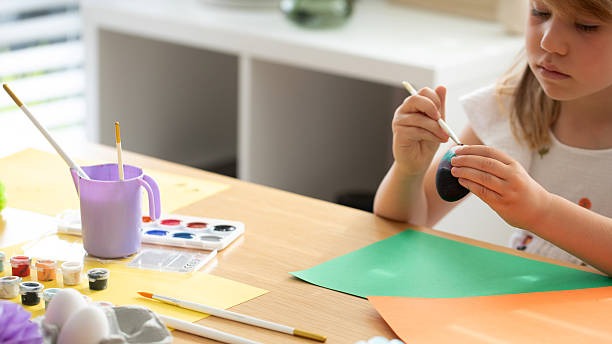
Encouraging creativity is also vital. Art projects, whether it’s finger painting or crafting with recycled materials, can foster self-expression and critical thinking. These activities allow children to experiment, make choices, and learn from their experiences, all while having a great time.
Finding joy in the everyday
As we navigate the journey of building early learning routines, it’s important to remember the joy that comes from the everyday moments. Whether it’s cooking together, gardening, or simply enjoying a quiet moment with a puzzle, these experiences can be rich opportunities for learning.
Engaging children in daily tasks teaches them valuable life skills while also encouraging responsibility. For instance, involving them in meal preparation can enhance their understanding of nutrition and develop fine motor skills. It’s in these shared experiences that children learn about cooperation, patience, and the satisfaction of completing a task.
The power of reflection
As routines evolve, taking time for reflection can help caregivers understand what works and what might need adjustment. Observing children during these activities can provide valuable insights into their interests and developmental needs. Perhaps they show a keen interest in numbers while counting during play, or they might express curiosity about different cultures through stories.
Regularly reflecting on these moments allows caregivers to tailor routines to better suit the child’s growth. It’s a gentle reminder that learning is not a one-size-fits-all approach. Each child is unique, and their learning journey will unfold in its own beautiful way.
Encouraging independence
As children grow, fostering a sense of independence becomes increasingly important. Routines can be designed to encourage self-sufficiency, allowing children to take ownership of their learning. Tasks like choosing their clothes, selecting a book to read, or deciding on a creative project can empower children and boost their confidence.
Creating spaces where children can explore independently is also beneficial. A designated play area filled with age-appropriate materials invites exploration and discovery. When children feel free to make choices and navigate their environment, they develop critical problem-solving skills and a sense of autonomy.
Embracing the journey
Building early learning routines is a journey filled with exploration, connection, and growth. It’s about finding the balance between structure and flexibility, allowing children to flourish in a supportive environment. As caregivers, we have the privilege of witnessing the magic of early learning unfold before our eyes.
In the end, it’s the small, intentional moments that create lasting memories and a strong foundation for future learning. By nurturing curiosity, encouraging creativity, and fostering independence, we can help our little ones embark on a lifelong love of learning. Embrace this beautiful journey, and let the joy of discovery guide your way.