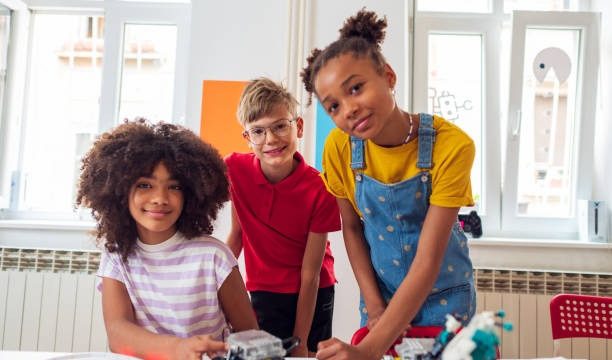
In a world that often prioritizes structured learning and measurable outcomes, the beauty of play-based learning shines through as a gentle reminder of the magic that can unfold when we let curiosity lead the way.
This approach, often associated with early childhood education, encourages children to explore and experiment, paving the way for the development of essential problem-solving skills.
At its core, play-based learning is about creating a safe space where children can engage with their environment, interact with peers, and navigate challenges at their own pace. It’s not merely a form of entertainment; it’s a powerful vehicle for cognitive, social, and emotional growth. When children are allowed to play, they are given the freedom to explore different scenarios, test their ideas, and learn from their experiences. This natural inclination to play can be a profound teacher, revealing insights that might not emerge in a more traditional academic setting.
One of the most beautiful aspects of play is its inherent flexibility. Children can immerse themselves in imaginative worlds, whether they are pretending to be astronauts exploring the cosmos or chefs concocting new recipes in a toy kitchen. These scenarios may seem trivial on the surface, but they are rich with opportunities for problem-solving. For instance, during a game of make-believe, a child might encounter a dilemma, such as how to build a sturdy fort or how to share toys with a friend. In these moments, they learn to think critically, consider different perspectives, and collaborate with others to find solutions.
As caregivers and educators, fostering an environment that encourages play can be incredibly rewarding. It’s important to remember that the goal isn’t to direct play but to facilitate it. Providing open-ended materials like blocks, art supplies, or nature items allows children to use their imagination freely. The beauty of this approach lies in its adaptability; there are no rigid rules to follow, which encourages children to express themselves and engage in creative problem-solving.
Another enriching facet of play-based learning is the way it nurtures resilience. When faced with challenges during play, children learn that it’s okay to make mistakes. Each misstep becomes a stepping stone toward understanding. For example, if a structure collapses, rather than feeling defeated, a child might be inspired to rethink their design and try again. This cycle of trial and error is vital for developing resilience, teaching children that persistence can lead to success.
As children navigate through their playful adventures, they also cultivate social skills that are essential for collaborative problem-solving. Engaging with peers during play encourages communication, negotiation, and empathy. When children work together to create a story or complete a puzzle, they must articulate their ideas, listen to others, and find common ground. These interactions not only enhance their ability to solve problems collectively but also foster a sense of community and belonging.
In today’s fast-paced world, where structured activities often dominate, it’s refreshing to step back and appreciate the simplicity and depth of play. Encouraging children to take the lead in their learning allows them to develop a sense of agency and confidence. When they feel empowered to explore, they are more likely to embrace challenges and approach problems with an open mind.
Embracing play-based learning doesn’t mean abandoning traditional educational methods. Rather, it’s about integrating the two to create a balanced approach to learning. Parents and educators can weave play into daily routines, whether through outdoor exploration, imaginative play, or even simple household tasks that invite creativity. Cooking together can become a playful experiment in measuring and mixing, while a walk in the park can inspire a scavenger hunt for interesting leaves or rocks.
As we consider the long-term benefits of fostering problem-solving skills through play, it’s essential to reflect on the broader implications for a child’s future. In an ever-evolving world, the ability to think critically and adapt is invaluable. Children who engage in play-based learning develop not only the skills needed to solve problems but also the creativity and innovative thinking that will serve them well in any endeavor.
Moreover, play is a delightful way to build connections. The laughter shared during a game or the excitement of completing a challenge together creates lasting memories and strengthens relationships. These bonds formed through shared experiences in play lay the foundation for meaningful friendships and collaborative efforts in the future.
As we navigate the challenges of parenting and education, let’s remember the importance of play. It’s not merely a pastime but an essential component of human development. By nurturing an environment that celebrates exploration, creativity, and problem-solving, we are equipping children with the tools they need to thrive in an unpredictable world.
In this journey of growth, let us embrace the notion that learning can be joyful and fulfilling. When we allow children the freedom to play, we open up a world of possibilities where they can discover not only solutions to problems but also the joy of learning itself. This playful approach nurtures not just the mind but the spirit, fostering a lifelong love for exploration and discovery.
In the end, play-based learning is about more than just developing problem-solving skills. It’s about cultivating a holistic understanding of the world and our place within it. As we encourage our children to play, we are, in essence, inviting them to engage with life itself, to learn from it, and to marvel at the endless opportunities for growth that it presents. So, let’s cherish the moments spent in play, for they are the building blocks of a brighter, more innovative future.