The joy of numbers for little learners is a delightful journey that unfolds in the most unexpected ways.
As children begin to explore the world around them, numbers become a playful part of their everyday experiences.
From counting apples in the kitchen to measuring the height of their favorite toys, the adventures that numbers offer can be both educational and enchanting.
A gentle introduction to counting can happen in the most organic of settings. Picture a sunny afternoon where a little one is helping to bake cookies. As flour is poured into a bowl, they can count each cup, feeling the texture and weight of the ingredients. This simple act transforms numbers into tangible experiences, allowing the child to see how they relate to real life. It’s in these moments that counting becomes more than just a skill; it becomes a joyful part of a shared experience.
As children engage with numbers, they begin to notice patterns and relationships. Whether it’s sorting colorful blocks by size or arranging toys in a line, they are naturally drawn to the order that numbers provide. This innate curiosity is a wonderful foundation for developing mathematical thinking. Each arrangement can spark discussions about more and less, big and small, reinforcing their understanding of quantity while nurturing their creativity.
The world of numbers is not confined to the classroom; it can be found everywhere. On a nature walk, children can count the number of birds they see or the leaves that have fallen from trees. Each count is a small victory, a moment of connection with the environment. These experiences help children to appreciate the beauty of numbers in nature, fostering a sense of wonder about the world around them.
Storytime can also serve as a lovely backdrop for introducing numbers. Many children’s books incorporate counting in a fun and engaging way. Reading stories that invite little learners to count characters or objects enhances their literacy skills while reinforcing their numerical knowledge. The rhythm of counting in stories can create a delightful cadence, making numbers feel like an integral part of the narrative.
Encouraging play is another wonderful way to introduce numbers. Simple games like hopscotch can be both fun and educational. As children jump from number to number, they not only practice counting but also develop gross motor skills. Playful competition, such as seeing who can count the highest or who can jump the furthest, adds an element of excitement that makes learning feel effortless.
In the kitchen, cooking together offers endless opportunities for learning. Measuring ingredients can introduce concepts of fractions and volume without feeling like a lesson. Children can pour, scoop, and mix while engaging in conversations about measurements. This hands-on approach allows them to see the practical applications of numbers, making the learning process enjoyable and memorable.
As children grow, their understanding of numbers naturally deepens. Simple addition and subtraction can emerge through everyday activities. For instance, if a child has three cookies and a friend gives them two more, they can physically see the concept of addition unfold. This visual representation cements their understanding and reinforces the joy of discovery.
Creating a number-rich environment at home can also support little learners. Displaying numbers in everyday settings—like on clocks, calendars, or even house numbers—helps children recognize and appreciate their presence. Incorporating number games into daily routines, such as counting steps while walking or identifying numbers on license plates, can make learning feel like an exciting adventure.
A small shift toward balance in how we approach numbers can also be beneficial. While it’s important to instill a love for learning, allowing children the freedom to explore numbers at their own pace is equally crucial. Each child is unique, and their journey with numbers will be different. Encouraging exploration without pressure fosters a positive relationship with math that can last a lifetime.
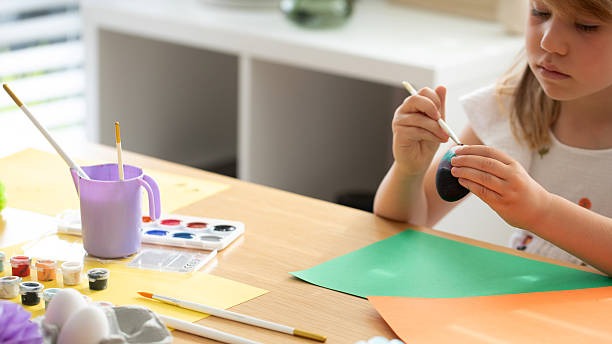
Incorporating art into the exploration of numbers can further enhance the joy of learning. Drawing shapes, creating number collages, or even painting with numbers can spark creativity while reinforcing numerical concepts. Art allows children to express their understanding in a visual and personal way, making the experience richer and more meaningful.
As the seasons change, so do opportunities for learning. Autumn brings the chance to count pumpkins at a local farm, while winter may introduce the concept of numbers through holiday calendars. Each season offers unique experiences that can be woven into learning about numbers, helping children make connections to their lives and the world around them.
Ultimately, the joy of numbers for little learners lies in the balance of play, exploration, and connection. As caregivers and educators, we can nurture this joy by creating environments that invite curiosity and wonder. When numbers are approached with warmth and enthusiasm, they become a source of happiness rather than a chore.
The journey with numbers is one filled with laughter, discovery, and growth. It’s about more than just learning to count; it’s about building a foundation for critical thinking and problem-solving that will serve children well into the future. By embracing the joy of numbers, we can inspire little learners to see the world through a mathematical lens, opening up endless possibilities for exploration and understanding.
As we guide them on this journey, let us remember to celebrate the small victories along the way. Each count, each discovery, and each moment of joy adds to the beautiful tapestry of learning that shapes their early experiences. Through numbers, we can help little learners find joy in the world around them, laying the groundwork for a lifelong love of learning.