In the early stages of life, children are like sponges, soaking up everything around them.
Every experience, every sound, and every color contributes to their understanding of the world.
Among the myriad of influences that shape their development, music, art, and movement stand out as powerful tools that not only engage young minds but also nurture their emotional and social growth.
The enchanting world of music offers a delightful gateway into learning. From the moment a baby hears a lullaby or a playful tune, they are drawn into a rhythm that is both soothing and stimulating. Music has an innate ability to spark curiosity and foster creativity. As children explore different sounds, they begin to associate musical notes with emotions and stories, paving the way for language development and cognitive skills. Singing simple songs or clapping along to a beat encourages children to express themselves while also enhancing their listening abilities.
Moreover, music is a wonderful way to introduce concepts like counting and patterns. Think of the playful melodies of nursery rhymes that often come with repetitive phrases. These repetitions not only make it easier for children to remember the words but also help them grasp the basics of language structure. When children sing along, they engage in a joyous act of learning that feels natural and fun. This joyful interaction with music can lay a strong foundation for later academic skills, as it fosters an appreciation for rhythm and structure.
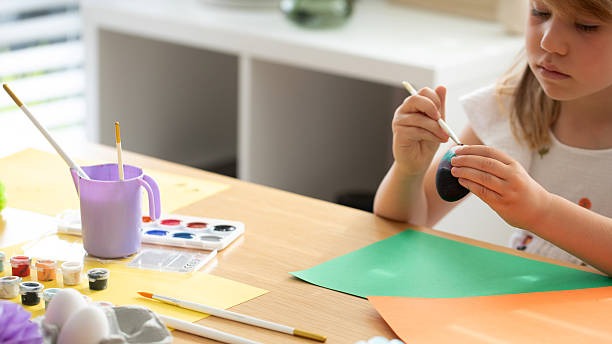
In tandem with music, art provides another avenue for early learning that is rich with potential. The act of creating art allows children to express their thoughts and feelings in a unique way. Whether it’s splashing paint on a canvas or crafting with clay, these activities encourage imaginative thinking and problem-solving. Through art, children learn to observe their surroundings and translate those observations into visual expressions. This not only enhances their fine motor skills but also empowers them to communicate their ideas without the constraints of words.
Art also plays a vital role in developing emotional intelligence. When children engage in creative activities, they often encounter feelings of joy, frustration, or pride. Learning to navigate these emotions while expressing themselves artistically fosters resilience and self-awareness. As they share their creations with others, whether it’s a drawing or a sculpture, they build social skills and learn the value of collaboration and feedback. Such experiences can strengthen their sense of community and belonging, which is essential for overall well-being.
Movement is yet another critical component of early learning that intertwines beautifully with music and art. Physical activity not only promotes health but also enhances cognitive development. When children dance, run, or engage in playful activities, they are not just having fun; they are also developing coordination and balance. These skills are foundational for later physical activities and sports, but they also contribute to brain development.
Incorporating movement into learning can take many forms. Children might enjoy dancing to their favorite songs, which allows them to connect music with physical expression. Movement-based games that involve following directions can bolster listening skills and encourage teamwork. Additionally, activities that require fine motor skills, such as threading beads or building with blocks, help children develop the dexterity needed for everyday tasks and academic pursuits.
A gentle shift toward balance in these three areas—music, art, and movement—can create a harmonious learning environment. When children are encouraged to explore these avenues in tandem, they are more likely to thrive. For instance, a simple activity that combines all three could involve creating a dance routine to a favorite song, where children can express their creativity through movement while also enjoying the rhythm of music. This multifaceted approach not only keeps learning engaging but also caters to various learning styles, ensuring that every child feels included and valued.
As parents and educators, fostering an environment where music, art, and movement are integral parts of daily life can profoundly impact a child’s development. Creating opportunities for children to engage in these activities doesn’t have to be elaborate or expensive. Simple things like singing during car rides, encouraging free play with art supplies, or setting aside time for active play can make a world of difference.
It’s also important to recognize that the goal of integrating music, art, and movement into early learning isn’t just about skill-building; it’s about nurturing a love for exploration and creativity. When children are free to express themselves and discover their interests, they develop a sense of confidence that can carry them throughout their lives.
As we navigate the early years of education, let us remember the profound impact of these creative outlets. By embracing the beauty of music, the joy of art, and the exhilaration of movement, we provide children with a rich tapestry of experiences that support their growth in every way. In this nurturing environment, children can flourish, discovering not only the world around them but also their unique place within it.
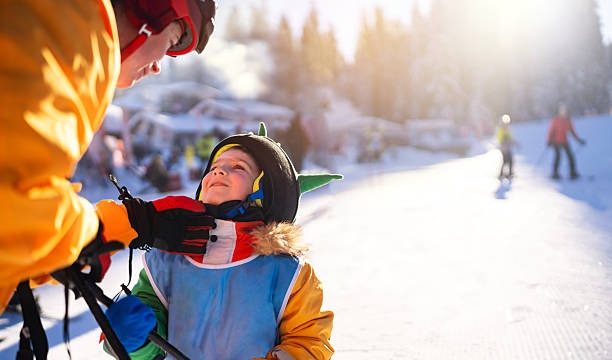
In the end, it’s the simple moments of joy—dancing to a favorite song, creating a colorful masterpiece, or running freely in a sunlit space—that leave lasting impressions. These experiences shape not just the minds of young learners but also their hearts, instilling a lifelong appreciation for creativity and expression. So let’s celebrate the magic of music, art, and movement as we guide the next generation in their beautiful journey of learning.