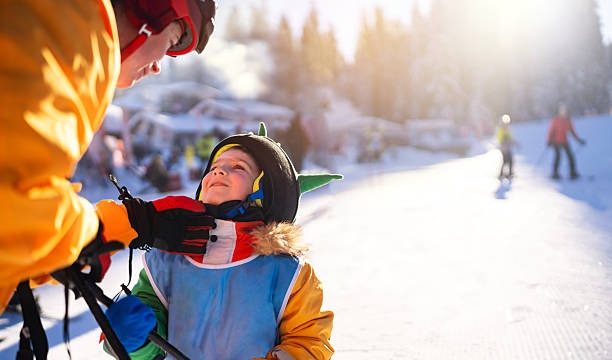
In the gentle realm of kindergarten, where laughter and curiosity intertwine, the exploration of nature becomes a vibrant thread woven into the fabric of learning.
As little ones embark on their educational journey, they are not just absorbing words and numbers; they are discovering the world around them in its most authentic form.
Nature, with its boundless wonders, serves as an ideal backdrop for these formative lessons, fostering a sense of connection and appreciation for the environment.
A natural classroom
Imagine a classroom where the walls are painted with the colors of the earth, where lessons can be conducted under the shade of a grand oak tree or beside a bubbling brook. Nature offers a unique and immersive setting for kindergarten lessons. The sights, sounds, and textures of the outdoors create an engaging atmosphere that stimulates young minds. Children can observe the fluttering of butterflies, listen to the rustle of leaves, and feel the coolness of the grass beneath their feet. These experiences not only make learning enjoyable but also instill a sense of wonder that can last a lifetime.
Incorporating nature into the curriculum allows children to learn through discovery. A simple walk in the park can be transformed into an adventure filled with opportunities to explore concepts such as counting, colors, and even storytelling. Each rock, flower, and creature becomes a part of a larger narrative that encourages imagination and creativity. For instance, counting the number of petals on a flower or identifying different shades of green in the leaves can seamlessly blend play with learning.
The power of play
Play is often regarded as the cornerstone of early childhood education. When combined with nature, it becomes an even more powerful tool for learning. Outdoor play encourages physical activity, which is essential for healthy development. Climbing trees, running through fields, or digging in the soil not only promotes gross motor skills but also enhances social interactions as children collaborate, negotiate, and share experiences.
Nature-based play fosters problem-solving skills, as children encounter and navigate challenges in their environment. Whether it’s figuring out how to build a fort from fallen branches or discovering the best path to cross a stream, these experiences teach resilience and critical thinking. The lessons learned in nature are not confined to the classroom; they extend into life, shaping children into adaptable and resourceful individuals.
Cultivating curiosity
Kindergarten is a time when children are naturally curious, eager to ask questions and explore the world around them. Nature serves as a catalyst for this curiosity, inviting children to investigate and inquire. A simple question, like “Why do leaves change color?” can lead to a delightful exploration of the seasons, biology, and even art. By encouraging children to ask questions and seek answers in nature, we nurture their innate desire to learn and discover.
Teachers can facilitate this curiosity by providing opportunities for hands-on experiences. Nature walks, garden projects, or even simple observations of weather patterns can spark discussions and inspire further inquiry. When children are actively engaged in their learning, they are more likely to retain information and develop a genuine love for science and the natural world.
A small shift toward balance
In an age where technology often dominates our lives, integrating nature into kindergarten lessons offers a refreshing balance. While digital tools can be beneficial, nothing compares to the sensory experiences that nature provides. The smell of fresh earth after rain, the feel of a soft breeze, or the sight of a rainbow can evoke emotions and memories that enrich a child’s understanding of the world.
Encouraging outdoor exploration also promotes mindfulness. As children step outside, they are invited to pause, observe, and appreciate their surroundings. This practice of being present can instill a sense of peace and calmness, which is invaluable in today’s fast-paced society. When children learn to appreciate the small wonders of nature, they cultivate a deeper connection to their environment and develop a sense of responsibility towards it.
Building a sense of community
Nature exploration in kindergarten not only benefits individual learning but also fosters a sense of community among children, families, and educators. Group activities, such as planting a garden or organizing a nature scavenger hunt, encourage collaboration and teamwork. These shared experiences create bonds and memories that extend beyond the classroom.
Parents and caregivers also play a crucial role in supporting nature-based learning. Simple activities like family hikes, picnics in the park, or backyard explorations can reinforce the lessons learned in school. When families engage with nature together, they cultivate a shared appreciation for the environment, enriching their children’s understanding and experiences.
Nurturing future stewards
As children delve into the wonders of nature during their kindergarten years, they are not just learning about the world around them; they are also being shaped into future stewards of the earth. By fostering a sense of care and responsibility for the environment, we are planting the seeds for a generation that values sustainability and conservation.
Teaching young children about nature’s beauty and fragility can inspire them to advocate for environmental protection. Simple discussions about recycling, conserving water, or protecting local wildlife can spark a passion for environmental stewardship. As they grow, these early lessons can evolve into a lifelong commitment to preserving the planet for future generations.
In essence, exploring nature in kindergarten lessons is more than just an educational approach; it is a holistic experience that nurtures the mind, body, and spirit. Through the wonders of the natural world, children develop a sense of wonder, curiosity, and responsibility that will accompany them throughout their lives. By embracing the beauty of nature within educational settings, we are not only enhancing learning but also fostering a deeper connection to the world we inhabit. As we guide our young explorers, let us celebrate the journey of discovery that awaits them in the great outdoors.