Early childhood education is a vibrant tapestry woven with the threads of learning, play, and social interaction.
As children explore their world, they also begin to forge connections with one another, laying the groundwork for essential cooperation skills.
These skills are not just beneficial for the early years; they resonate throughout a child’s life, shaping their ability to work with others, resolve conflicts, and build meaningful relationships.
In the gentle realm of early education, children are encouraged to express themselves, explore their surroundings, and engage with their peers. This environment is rich with opportunities for learning, not just academically, but socially as well. Cooperation skills blossom when children learn to share, take turns, and communicate their needs and feelings. These foundational experiences are crucial, as they serve as the building blocks for future teamwork and collaboration.
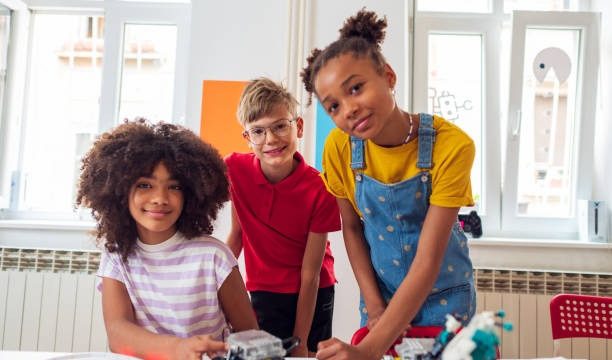
As children engage in group activities, whether it’s a simple game or a collaborative art project, they begin to understand the importance of listening and considering others’ perspectives. These moments teach them that their ideas are valuable, but so are the ideas of their friends. This mutual respect is a vital aspect of cooperation, establishing a sense of community that children carry with them as they grow.
Play is often considered the language of children, and it’s within this playful context that cooperation skills can thrive. When children play together, they navigate the complexities of social interactions. They learn to negotiate roles, share resources, and even resolve conflicts in a supportive environment. This playful exploration fosters resilience and adaptability, essential traits for effective cooperation.
Another beautiful aspect of early childhood education is the emphasis on emotional intelligence. Children are encouraged to recognize and articulate their feelings, as well as to empathize with others. This emotional awareness is integral to cooperation, as it helps children understand how their actions impact those around them. When children can put themselves in someone else’s shoes, they are more likely to work collaboratively and supportively.
The role of educators and caregivers in nurturing these skills cannot be overstated. They create an atmosphere of trust and safety, where children feel comfortable expressing themselves and taking risks. By modeling cooperative behaviors, such as sharing and active listening, adults provide children with a tangible example of how to engage positively with others. This guidance is essential, as children often look to the adults in their lives to navigate social situations.
In a world that often feels increasingly individualistic, fostering cooperation skills in early childhood education can be a refreshing counterbalance. Through collaboration, children learn that they are part of something larger than themselves, instilling a sense of belonging and purpose. This understanding encourages them to contribute positively to their communities, both in the classroom and beyond.
As children grow, the cooperation skills they develop during their early years will serve them well in various aspects of life. Whether it’s working on group projects in school, participating in team sports, or collaborating in the workplace, the ability to cooperate with others is a skill that transcends age and context. It lays the groundwork for effective communication, problem-solving, and conflict resolution.
A small shift toward balance can make a significant difference in how children approach cooperation. Encouraging a mindset that values collaboration over competition helps children to appreciate the strengths and contributions of their peers. This shift fosters an inclusive environment where everyone feels valued, and differences are celebrated rather than seen as obstacles.
Parents and educators can reinforce these lessons at home and in the classroom by providing opportunities for cooperative play and group activities. Simple practices, such as involving children in household chores or encouraging them to work together on projects, can cultivate these essential skills. The key is to create an environment where cooperation is a natural and enjoyable part of daily life.
As we reflect on the importance of cooperation skills in early childhood education, it’s essential to recognize that these abilities do not develop overnight. They require patience, practice, and a supportive environment. Children will inevitably face challenges as they navigate relationships, but these experiences are opportunities for growth. Encouraging them to view obstacles as learning moments will help them build resilience.
In nurturing cooperation skills, we are not just preparing children for academic success but equipping them with the tools they need to thrive in an interconnected world. The ability to work harmoniously with others is a gift that will serve them throughout their lives, fostering a sense of community, empathy, and collaboration.
Ultimately, the journey of early childhood education is a beautiful blend of discovery and connection. As children learn to cooperate, they also learn to celebrate the diversity of thoughts, ideas, and experiences that each individual brings to the table. This celebration of uniqueness enriches their lives and the lives of those around them, creating a harmonious environment where everyone can flourish.
In conclusion, early childhood education offers a unique and precious opportunity to cultivate cooperation skills. Through play, emotional awareness, and guided interactions, children learn the value of collaboration and the joy of working together. As we nurture these skills, we lay a solid foundation for a future filled with connection, understanding, and shared success. The journey may be long, but the rewards of fostering cooperation in our youngest learners are immeasurable, creating a brighter and more compassionate world for all.